


Gamification: Transforming Engagement Across Industries
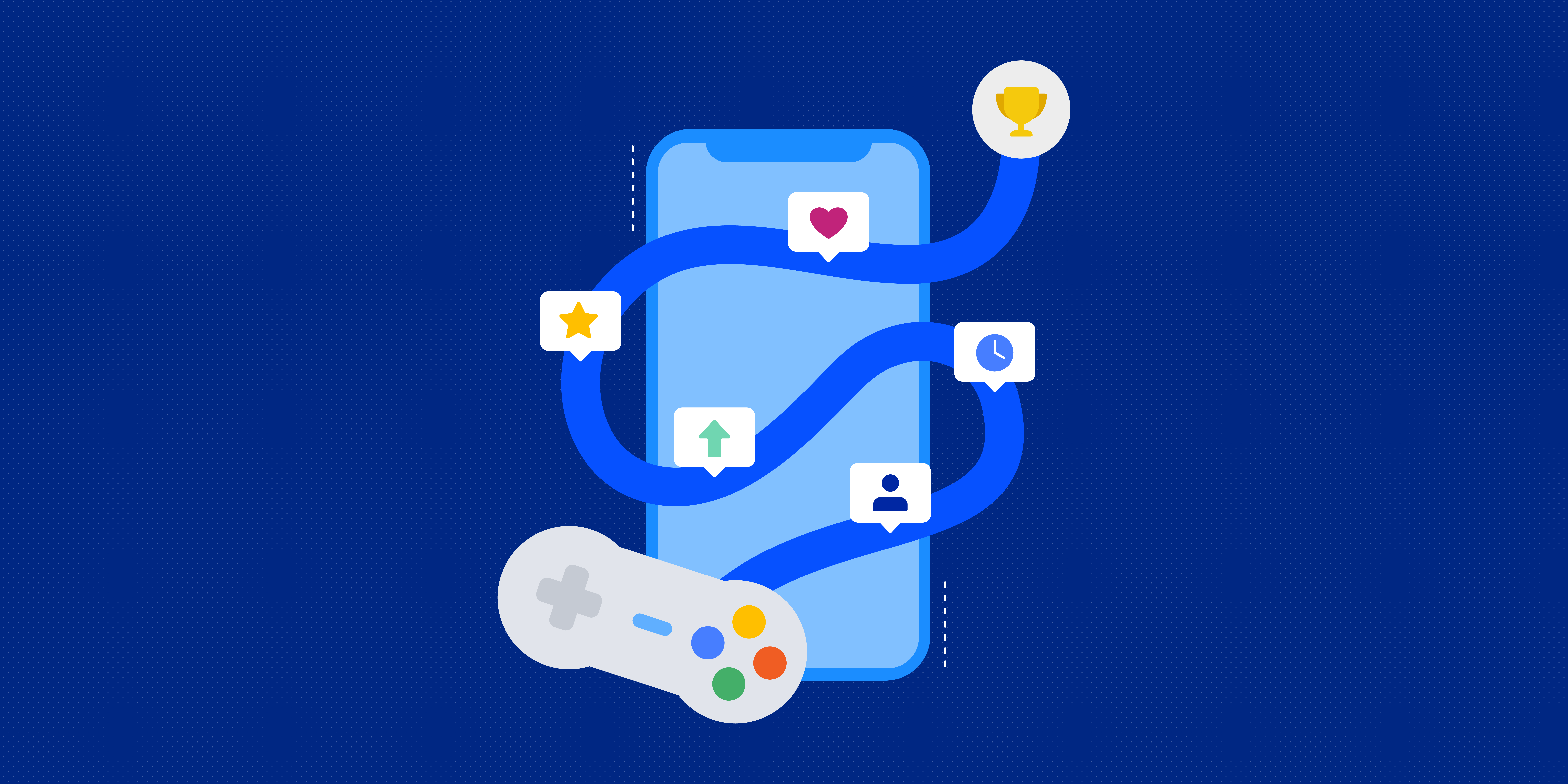
Gamification is the innovative practice of applying game mechanics and principles to non-game contexts, aiming to boost engagement, motivation, and participation. Over the past decade, it has emerged as a powerful strategy in fields ranging from education and corporate training to marketing and health care. By incorporating elements such as points, badges, leaderboards, and challenges, gamification taps into the natural human desire for achievement, competition, and recognition. Organizations increasingly recognize that gamified systems can transform mundane tasks into interactive experiences, encouraging consistent participation and enhancing overall performance.
In education, gamification has revolutionized learning experiences. Traditional teaching methods often struggle to maintain student interest, but gamified platforms make learning dynamic and immersive. For example, digital learning tools can reward students with points for completing assignments or mastering skills, creating a sense of accomplishment and progress. This approach not only motivates learners but also encourages collaboration and friendly competition among peers. Moreover, gamification can provide real-time feedback, enabling educators to identify areas where students may need additional support. As a result, gamified learning fosters a more engaging, personalized, and effective educational environment.
In the corporate sector, gamification has become a critical tool for employee engagement and productivity. Companies use gamified systems to make tasks like training, performance tracking, and sales targets more interactive. Employees can earn rewards for meeting goals, participate in team-based challenges, or compete on leaderboards, creating an environment that encourages continuous improvement and skill development. Beyond boosting motivation, gamification also helps organizations align employee behavior with business objectives. It transforms routine work into engaging experiences, reduces monotony, and promotes a culture of achievement and recognition within the workplace.
Marketing and customer engagement have also seen significant benefits from gamification. Brands integrate gamified elements into apps, loyalty programs, and promotional campaigns to increase customer interaction and brand loyalty. By offering points, discounts, or exclusive rewards for actions such as sharing content, making purchases, or participating in contests, companies can create a sense of excitement and involvement. Gamification in marketing leverages psychological triggers like reward anticipation and social validation, fostering stronger connections between customers and brands. The interactive nature of gamified campaigns also encourages user-generated content, which can amplify brand reach and influence.
The healthcare industry has tapped into gamification to encourage healthy behaviors and improve patient outcomes. Apps and wearable devices use game mechanics to motivate users to exercise, follow treatment plans, or monitor their health. For instance, step-count challenges or achievement badges can incentivize patients to adopt and maintain healthy routines. Gamification not only increases adherence to health goals but also makes self-care enjoyable and socially engaging.
Source - https://www.marketresearchfuture.com/reports/gamification-market-11313
Gamification is more than a trend—it is a transformative approach that enhances engagement, motivation, and performance across various sectors. By integrating game-like elements into everyday activities, organizations can foster deeper participation, drive positive behavior, and create meaningful experiences. As technology continues to advance, gamification is poised to expand further, offering innovative ways to connect, educate, and inspire people around the world.
Categories
Read More
The cryptocurrency landscape is constantly shifting, with Bitcoin's value experiencing notable fluctuations. While market conditions have pushed prices lower, this presents a unique moment for strategic accumulation. For those holding Steam gift cards, converting them into Bitcoin is a viable entry point. The amount of Bitcoin received for a $100 card is directly influenced by the exchange...

The latest Valorant update, patch 12.01, brings a new mandatory security measure for more players, specifically requiring multi-factor authentication (MFA) in competitive matches. However, this change applies only to certain users. Over recent months, Riot Games has intensified efforts to combat smurfing and account boosting by targeting multiple-account misuse. Earlier in the year, they...
In today’s competitive digital world, your website isn’t just your online identity — it’s your first impression, your sales engine, and your most powerful brand asset. If you want your business to shine online, your website must be fast, modern, user-friendly, and built with strategy. Hashtag Media And Entertainment India proudly stands as the best digital marketing...

You remember Quora, right? I do. Very clearly. I still remember the first time I landed on Quora sometime around 2012–2013. I had Googled a question—something dense and half-academic, the kind of thing you expect to skim three articles for and still walk away confused. Instead, I landed on an answer that felt like it had been written for me. It was long, patient, structured, and...

Netflix wrapped up its first-ever Asian content showcase, "See What's Next: Asia," in Singapore with a major spotlight on India's entertainment landscape. The streaming giant's leadership, including CEO Reed Hastings and Chief Content Officer Ted Sarandos, unveiled an ambitious slate of eight original films and one new series from India, while providing progress reports on four previously...