

7 Marketing Trends for 2026 | Content Marketing & AI-Driven Strategy
Explore the top 7 marketing trends shaping 2026 from AI-driven creative strategies and SEO for answer engines to design leadership and internal influencer content. Stay ahead with insights on how marketers must evolve for success.
1. Evolve Marketers Into Product-Aligned Strategists
Goal
Embed marketers more deeply in product planning, positioning, and user experience design rather than limiting them to promotional tasks.
Actions
-
Involve marketing in early product strategy meetings (roadmaps, feature prioritization).
-
Establish joint KPIs with product teams (e.g., feature adoption, engagement metrics).
-
Train marketing teams in product management fundamentals (user journeys, MVP definition).
Impact
-
Better alignment between messaging and product utility
-
Faster product-market fit cycles
Metrics
-
Released features with adoption > target
-
Marketing-influenced product decisions logged
Insight: This trend reflects the evolving role of marketers as product facilitators, not just communicators, as noted in industry discussions of product and marketing convergence.Marketer Milk
2. Optimize Content for AI Search and Discovery
Goal
Ensure content surfaces effectively across AI answer engines, social search, and traditional SEO.
Actions
-
Create SEO content tailored for AI Overviews and AI search outputs (specific queries, clear structured answers).
-
Optimize content for internal platform search (e.g., TikTok, Instagram, YouTube).
-
Expand blog content focused on bottom-of-funnel conversion topics and comparison pages.
Impact
-
Increased organic discoverability across AI and search platforms
-
Better retention and conversion via precise intent fulfillment
Metrics
-
AI search–driven traffic
-
Social platform search visibility
-
SERP and “answer snippet” share
Insight: AI and social search optimization are key drivers for visibility in 2026. Traditional SEO is evolving into search-everywhere optimization.Marketer Milk+1
3. Build Internal Influencer and SME Content Programs
Goal
Leverage internal subject matter experts to create authority content and reduce reliance on external influencers.
Actions
-
Identify and train SMEs with strong communication skills.
-
Develop structured content calendars featuring expert insights (blogs, webinars, videos).
-
Equip SMEs with storytelling and on-camera skills.
Impact
-
Higher trust and credibility in niche/expert content
-
Cost-effective long-term audience growth
Metrics
-
Audience retention on SME content
-
Lead quality and conversion attributed to SME pieces
Insight: This trend replaces traditional external influencer reliance with authentic, expert-driven storytelling.Social Media Today
4. Expand AI-Driven Creative — Especially in Video and Personalization
Goal
Accelerate creative output and personalization through generative AI while maintaining quality standards.
Actions
-
Adopt advanced AI video tools for ad creation and iterations.
-
Use AI for audience segmentation and one-to-one personalization in campaigns.
-
Combine AI drafts with human creative review to preserve brand voice.
Impact
-
Faster content generation cycles
-
Better personalization and relevance
Metrics
-
Creative output volume
-
Engagement and conversion uplift from personalized content
Insight: AI is central to creative workflows — from automation to personalization — and will continue shaping creative strategy.Cyberclick
5. Strengthen Network Effects and Growth Loops
Goal
Embed mechanisms that encourage user-driven amplification of your product or content.
Actions
-
Introduce referral and invite programs with meaningful rewards.
-
Launch community platforms or forums for user engagement.
-
Build content that encourages shareability and user contributions.
Impact
-
Sustainable user acquisition
-
Lower acquisition costs through organic amplification
Metrics
-
Referral participation rate
-
Content shares and community activity
Insight: Network effects — especially in communities — can become a core moat in competitive markets.Social Media Today
6. Make Design and Creative Taste a Core Strategy
Goal
Prioritize creative differentiation and design sensibility across customer touchpoints.
Actions
-
Conduct design reviews as part of campaign planning.
-
Integrate UX and UI best practices into marketing content (landing pages, ads).
-
Invest in visual storytelling frameworks and templates.
Impact
-
Stronger brand recognition
-
Higher engagement through aesthetic appeal
Metrics
-
Engagement rates on creative assets
-
Brand recall and creative sentiment tracking
Insight: As AI commoditizes base production, creative taste and design discipline differentiate outcomes.KIJO London
7. Prioritize Human-First Media and Owned Channels
Goal
Focus on authentic, trust-driven media such as newsletters, blogs, and creator collaborations.
Actions
-
Relaunch or expand newsletters with exclusive value.
-
Highlight authentic customer stories and case studies.
-
Partner with niche creators who align with brand values.
Impact
-
Higher trust and retention
-
Diversified audience channels
Metrics
-
Newsletter engagement
-
Click-through and subscriber growth rates
Insight: Owned and creator ecosystems increasingly outperform generic paid channels for building long-term network value.Google Business
Key Enablers Across All Trends
| Enabler | Role |
|---|---|
| First-Party Data Platforms | Personalized experiences and measurement |
| AI Analytics and Attribution Tools | Real-time optimization and efficiency |
| Training & Skills Development | Upgrading teams for AI and creative excellence |
| Cross-Functional Collaboration Frameworks | Breaking silos between product, marketing, and design |
Insight: Robust data and AI ecosystems — coupled with human creative skills — are central to sustained success.Cyberclick
Quarterly Implementation Roadmap
1
-
Kickoff training: AI tools, creative design, internal influencer content.
-
Establish first-party data and attribution baselines.
2
-
Launch AI-optimized content series.
-
Pilot referral and community engagement programs.
3
-
Broaden video AI campaigns.
-
Integrate marketing with product development cycles.
4
-
Refine measurement frameworks.
-
Evaluate ROI and scale successful initiatives.
Success Metrics & Dashboards to Track
| Metric Category | Example KPI |
|---|---|
| Awareness & Engagement | Organic reach, social search visibility |
| Conversion & Revenue | Lead conversion rate, sales attributed to AI content |
| Efficiency | Content production time, cost per lead |
| Brand & Trust | Newsletter open rates, SME content sentiment |
Categorias
Leia mais
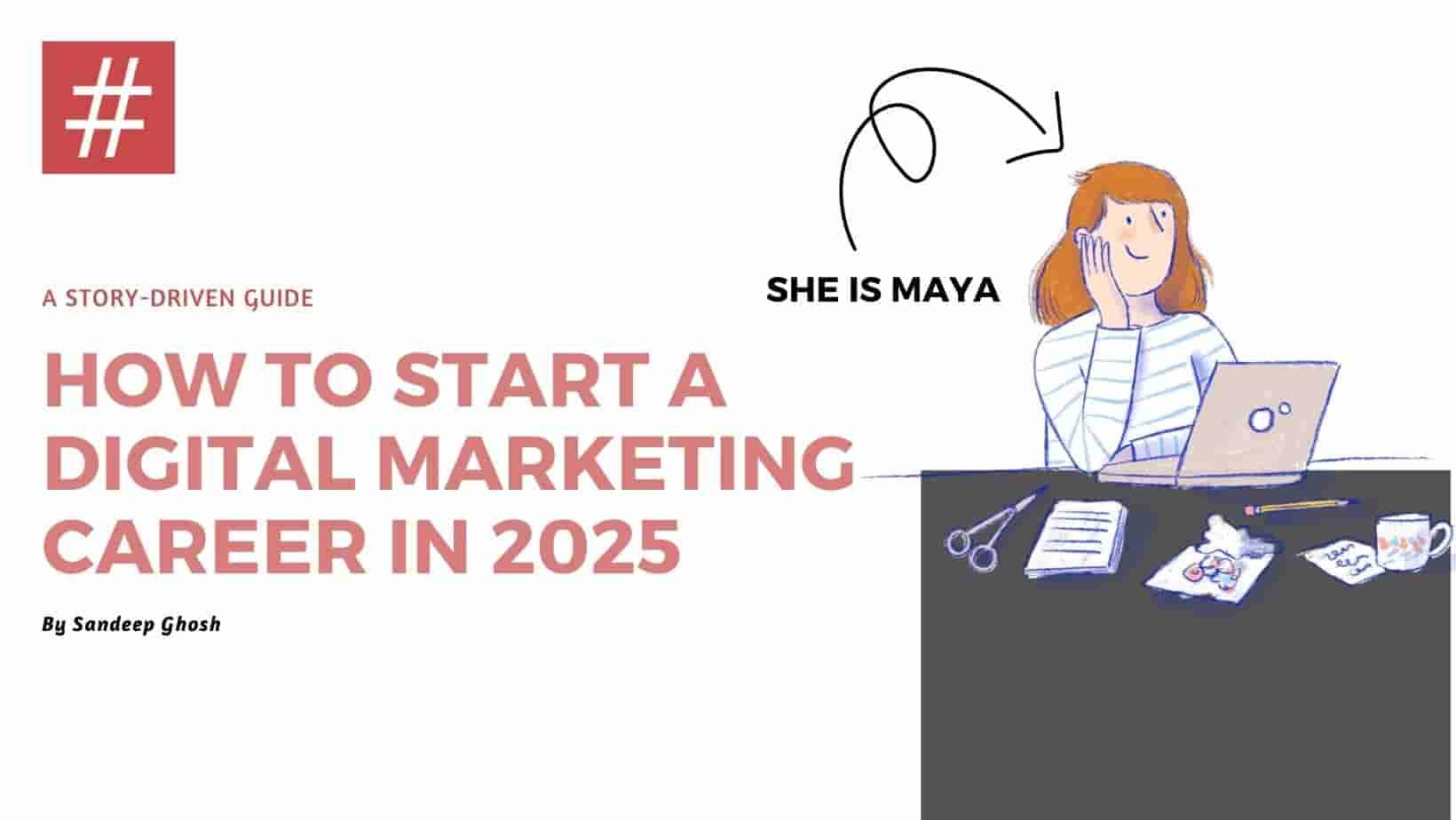
Discover a comprehensive, step-by-step guide on launching your digital marketing career in 2025. Learn from Maya’s personal journey, explore essential skills, build a portfolio, get certified, and network effectively to thrive in the evolving digital landscape. I still remember the moment I realized that the digital realm wasn’t just a space for scrolling and memes—it was a...
Discover how to update your resume for an AI-driven finance career. Our detailed guide covers key AI skills, actionable resume tips, real-world examples, and top FAQs to help you stand out and secure your dream finance job. Artificial intelligence is transforming the financial sector at an unprecedented pace. From automating routine tasks and enhancing risk management to driving data analytics...

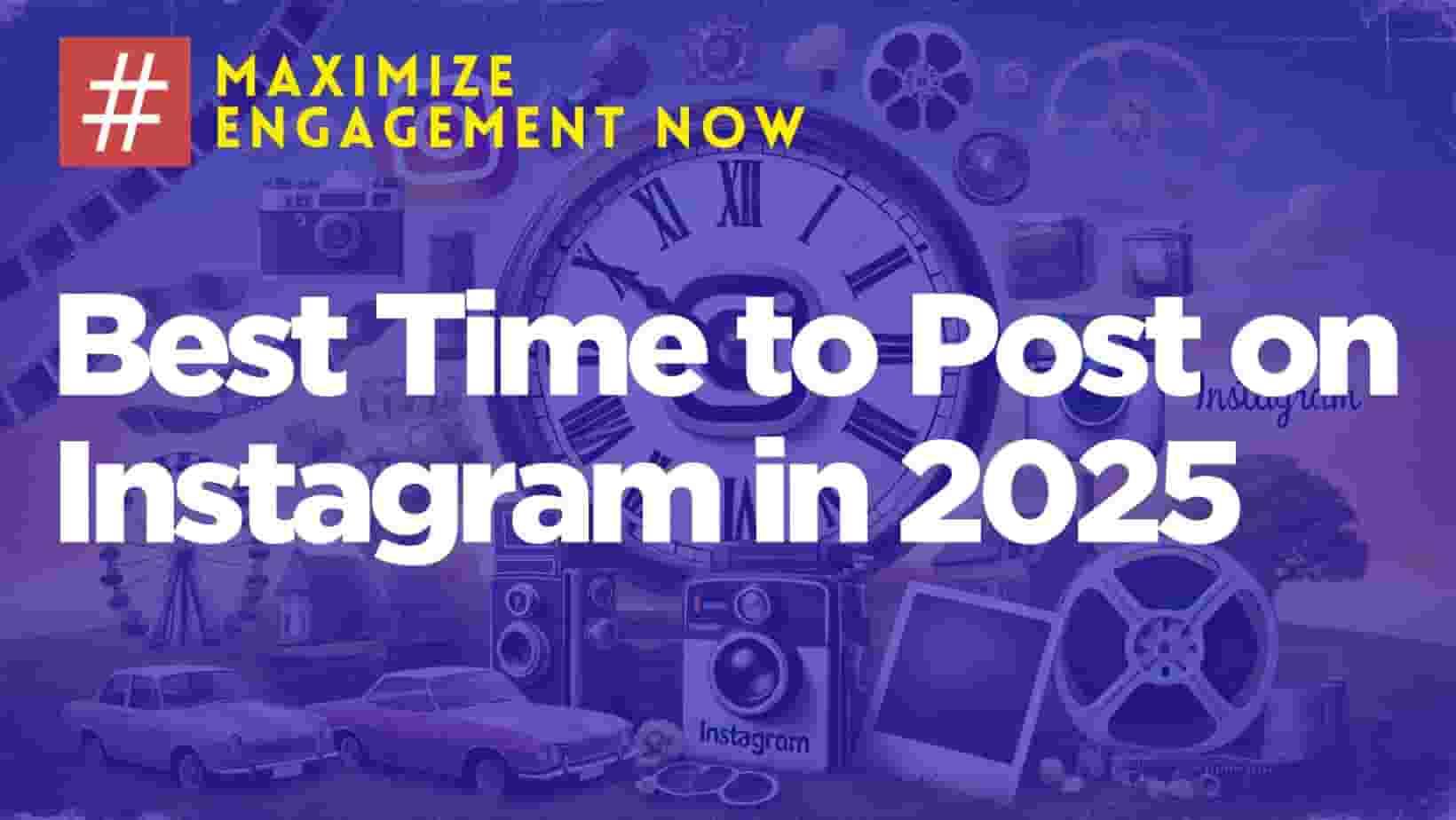
Instagram success doesn’t just depend on great content. One of the biggest silent factors that can boost your reach, engagement, and even followers is when you post. That’s right. The timing of your Instagram post can make or break how many people see it. This guide breaks down: ✅ The best times to post on Instagram (based on real data) ✅ Why posting time matters more in...
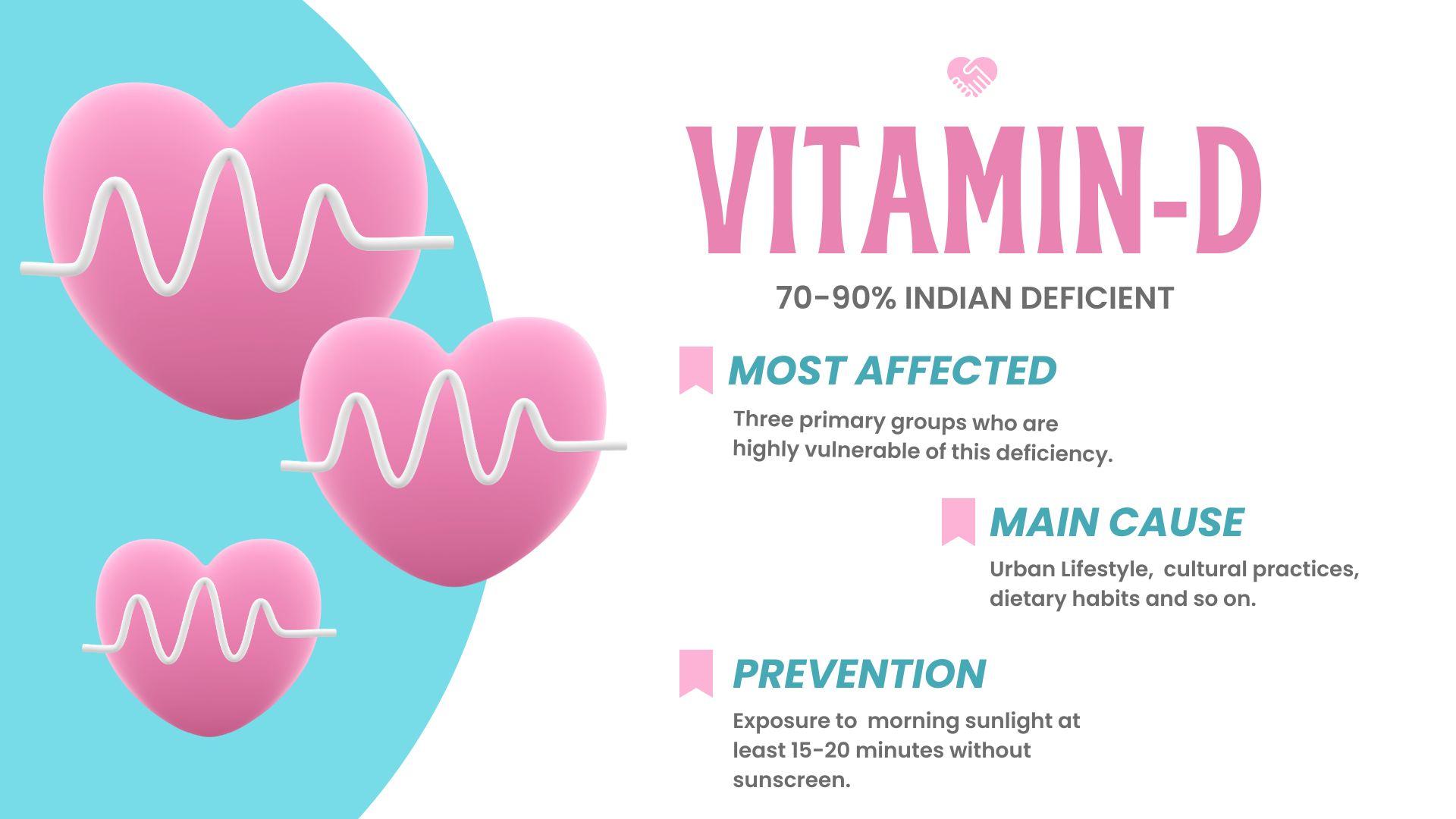
Silent Crisis: Vitamin-D Deficiency When was the last time you felt the sun warm your face? In a country blessed with abundant sunshine, it’s ironic that Vitamin-D deficiency has become a silent epidemic in India. Studies reveal that over 70-90% of Indians are deficient in this vital nutrient, often without realizing it. It’s not just about weak bones; this...