


Technical SEO Guide: Boost Website Ranking Technically
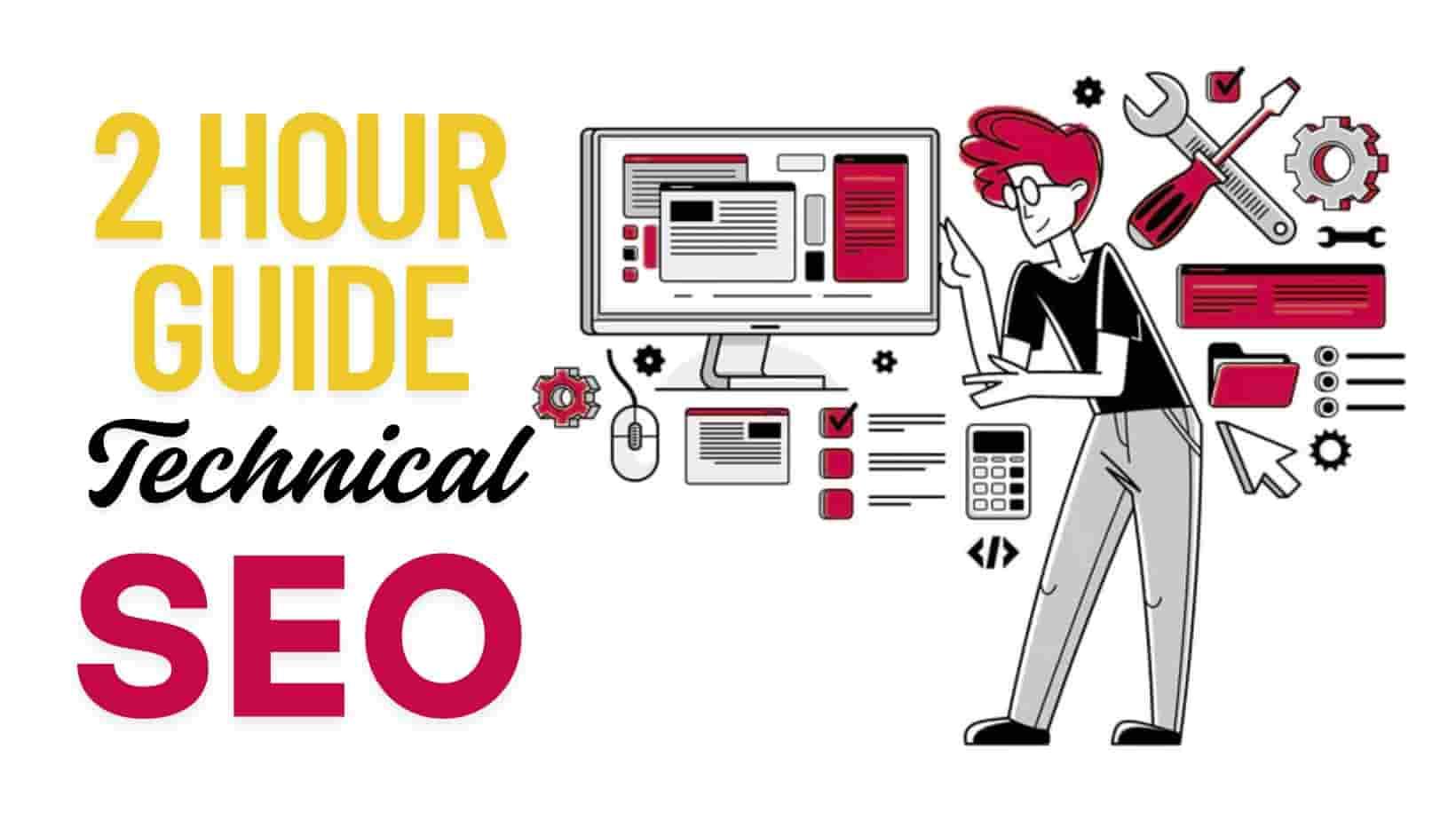
Lesson 1: Introduction to SEO & Technical SEO
Time: 10 minutes
-
SEO (Search Engine Optimization):
The process of making your website rank higher in search engines like Google. -
Technical SEO:
Focuses on technical parts like speed, mobile-friendliness, security, and site structure so search engines can crawl and index your site easily.
👉 Why it matters?
-
Better user experience = more visitors.
-
Essential for Indian businesses, like a local restaurant or shop, who want to be found online.
Example:
A Delhi-based restaurant website loads fast, works on mobile, and appears on Google Maps. That’s Technical SEO in action.
Checklist:
✅ Learn SEO basics.
✅ Know difference: On-page SEO (content) vs Technical SEO (speed, indexing, security).
✅ Goal: More visibility + happy users.
Lesson 2: Website Architecture & Structure
Time: 15 minutes
-
Website Architecture = How your site’s pages are organized.
-
Clear navigation helps both users & Google bots.
Key Elements:
-
Clean URLs: www.example.com/products/shoes
-
Internal Links: Linking your blog to your product page.
-
Sitemap: A map of your website pages.
-
Robots.txt: File telling Google which pages to crawl/ignore.
Example:
A small handicraft e-commerce store should organize categories → Home → Products → Handicrafts → Checkout.
Checklist:
✅ Create simple menu (Home, About, Products, Contact).
✅ Use descriptive URLs.
✅ Submit XML sitemap.
✅ Set robots.txt to block unnecessary pages (like admin).
Lesson 3: Backlinks & Link Types
Time: 20 minutes
-
Inbound Links (Backlinks): Other sites linking to yours.
-
Example: Times of India linking to your blog.
-
-
Outbound Links: Your site linking to others.
-
Example: Your blog linking to Wikipedia.
-
-
Cross-Linking: Linking between your own pages.
-
External Linking: Linking out to other websites.
Do-Follow vs No-Follow Links
-
Do-Follow: Passes SEO power.
-
Example:
<a href="site.com">Visit</a>
-
-
No-Follow: Doesn’t pass SEO power.
-
Example:
<a href="site.com" rel="nofollow">Visit</a>
-
How to check? Right-click → Inspect → Look for rel="nofollow".
Backlink Profile
-
All backlinks pointing to your site.
-
Good profile = strong, diverse, relevant links.
-
Avoid spammy links → may cause penalty.
Where to get backlinks?
-
Quora: Answer questions, add your link.
-
Pinterest: Post images with backlinks.
-
Medium: Write blogs.
-
Reddit: Share in communities.
-
Guest Blogging: Write articles for other sites.
-
Tumblr, Blogger, WordPress: Create blogs.
Lesson 4: Key SEO Metrics
Time: 20 minutes
-
Domain Authority (DA): How strong your whole site is (Moz metric, 0–100).
-
Page Authority (PA): How strong a single page is.
-
Bounce Rate: % of visitors who leave without clicking anywhere.
-
Example: 100 people visit → 60 leave instantly → Bounce Rate = 60%.
-
-
Exit Rate: % of people leaving from a specific page.
-
Example: Checkout page with high exit rate = issue in checkout.
-
-
CTR (Click-Through Rate): % of clicks from search results.
-
Formula:
(Clicks ÷ Impressions) × 100
-
Checklist:
✅ Check PA/DA with Moz Link Explorer.
✅ Reduce bounce rate with engaging content.
✅ Improve CTR with attractive titles & descriptions.
Lesson 5: Local SEO Optimization
Time: 20 minutes
-
Google My Business (GMB): Free profile to appear on Google Maps.
-
NAP: Name, Address, Phone – must be consistent everywhere.
-
Citations: Listing your business on directories (JustDial, Sulekha, Quikr).
-
Audit: Check and fix wrong NAP listings.
Example:
A bakery in Mumbai with the same name, address, and phone across Google, Facebook, JustDial → better ranking in local searches.
Checklist:
✅ Create/update GMB profile.
✅ Keep NAP consistent.
✅ List business on free directories like obc.in, click.in, quikr.in.
Lesson 6: Website Performance & Speed
Time: 15 minutes
-
Why speed matters? Fast sites = more customers, fewer drop-offs.
Techniques:
-
Compress images (use Smush, WebP).
-
Enable caching (WP Rocket, LiteSpeed).
-
Minify CSS, JS, HTML (remove extra code).
-
Use GTMetrix or Google PageSpeed Insights to test.
Core Web Vitals (Google metrics):
-
LCP (Largest Contentful Paint): Time biggest element loads.
-
FCP (First Contentful Paint): Time first visible element loads.
-
Speed Index: How fast content appears visually.
-
Total Load Time: Full page loading time.
Example:
Flipkart ensures fast checkout load → higher conversions.
Lesson 7: Mobile Friendliness & Responsive Design
Time: 15 minutes
-
Mobile-friendly: Works well on smartphones.
-
Responsive Design: Adjusts to different screen sizes.
Why it matters in India? 70%+ internet usage is mobile.
Example:
A local online tiffin service must have easy-to-use buttons & menus on mobile.
Checklist:
✅ Test site on different phones.
✅ Use responsive frameworks (Bootstrap).
✅ Optimize images for mobile.
Lesson 8: Indexing & Crawlability
Time: 15 minutes
-
Indexing: Adding your page to Google’s database.
-
Crawlability: How easily Google reads your content.
How to improve?
-
Submit XML sitemap in Google Search Console.
-
Fix broken links.
-
Use canonical tags for duplicate content.
Example:
An Indian news website needs quick indexing so that its breaking news appears fast on Google.
Lesson 9: HTTPS & Website Security
Time: 10 minutes
-
HTTPS = Secure site protocol.
-
Google favors secure websites.
Example:
E-commerce sites like Flipkart use HTTPS for safe payments.
Checklist:
✅ Install SSL certificate.
✅ Redirect HTTP → HTTPS.
✅ Fix mixed content errors.
Lesson 10: Structured Data & Schema Markup
Time: 15 minutes
-
Structured Data: Code that explains your content to Google.
-
Schema.org: Standard vocabulary for this.
Benefits: Rich snippets (stars ⭐, prices, reviews).
Example:
A restaurant site using schema can show menu & reviews in search results.
Checklist:
✅ Choose schema type (Article, Product, Event).
✅ Add code to site.
✅ Test with Google Rich Results Tool.
Lesson 11: Technical SEO Tools
Time: 10 minutes
-
Google Search Console (GSC): Indexing & crawl reports.
-
Google PageSpeed Insights: Speed test.
-
Screaming Frog: Full SEO audit.
Example:
A local gym uses GSC to find & fix 404 pages.
Lesson 12: Common SEO Errors & Fixes
Time: 10 minutes
-
Duplicate Content: Fix with canonical tags.
-
Broken Links (404): Redirect to relevant pages.
-
Slow Speed: Optimize images & enable cache.
-
Wrong Redirects: Always use 301 for permanent redirects.
HTTP Status Codes:
-
200: OK.
-
404: Page Not Found.
-
410: Page Gone Permanently.
-
500: Server Error.
-
503: Service Unavailable.
Lesson 13: Final Recap & Action Plan
Time: 10 minutes
-
Technical SEO = speed + structure + indexing + security.
-
Local SEO = GMB + NAP consistency + citations.
-
Backlinks = quality > quantity.
-
Tools = Moz, GSC, GTMetrix, Screaming Frog.
Action Plan for Indian Businesses:
-
Create/update GMB.
-
Check DA/PA with Moz.
-
Run speed test with Google PageSpeed.
-
Fix broken links via GSC.
-
Start backlinking on Quora, Medium, Pinterest.
✅ Conclusion
SEO may look complex, but step by step it’s simple:
-
Fix technical issues.
-
Make site fast & mobile-friendly.
-
Build strong backlinks.
-
Keep NAP consistent for local SEO.
👉 With this, even a small Indian business can grow visibility and customers online!

Categories
Read More
1. Introduction AIPRM is a powerful tool that helps you manage and customize prompts for ChatGPT. Think of it as a library full of ready-to-use instructions (prompts) that save you time and help you get better answers from ChatGPT. Whether you’re a student, a blogger, or a business owner, AIPRM can boost your productivity by giving you high-quality prompts that are tailored for your...
✅ Step 1: Open Your Google Ads AccountGo to 👉 https://ads.google.com and log in. ✅ Step 1: Open Google Ads → Goals Go to Measurement (🔧) → under Attribution , select Campaign ✅ Step 2: Go to "Summary" In the Goals section, click on Summary. Scroll down to find your list of conversion actions. ✅ Step 3: Choose the Conversion Action Click on the...

Everything You Need to Know in One Read Meta (the company behind Facebook, Instagram, Messenger, Threads, and WhatsApp) has just rolled out fresh updates to its advertising tools. These changes focus on two big goals: Protecting brands from scam ads Helping advertisers get better results with AI-powered tools Let’s break it down in plain English so you know exactly...